
By Douglas Family Dentistry
If you’ve been searching for what dental veneers actually fix—and what they don’t in Scottsdale, you’re not alone. Veneers are one of the most talked-about cosmetic dental treatments available today. But there’s a lot of confusion about what they actually do. At Douglas Family Dentistry, Dr. Paul D. Douglas helps patients understand exactly what veneers can realistically achieve before they commit to treatment.
This article breaks it all down honestly. We’ll cover what veneers are, what problems they solve, and where their limitations lie. That way, you can make a confident, informed decision about your smile.
What Are Dental Veneers, Exactly?
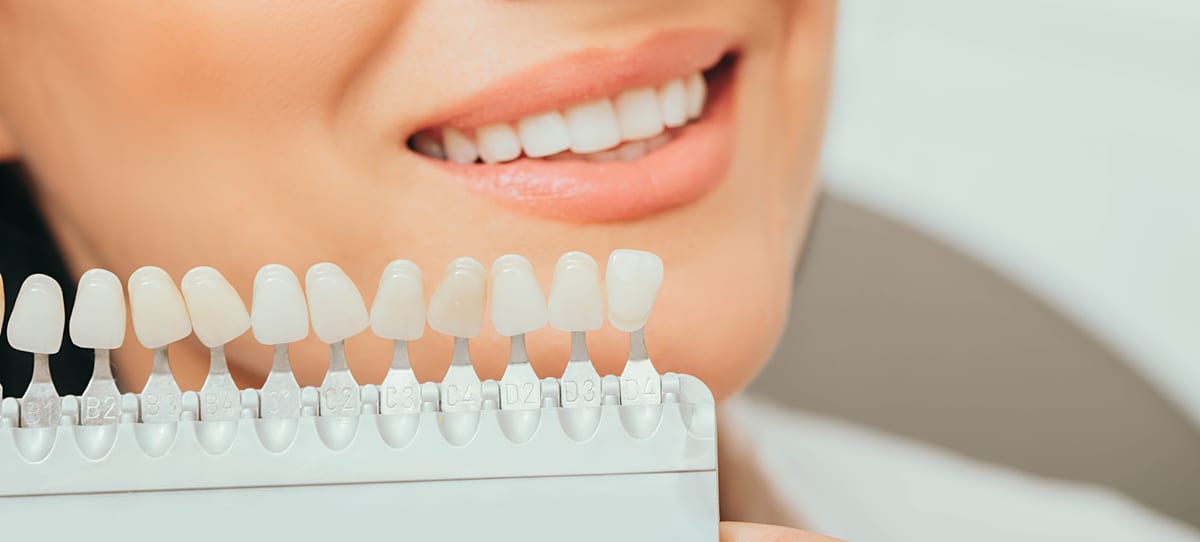
Dental veneers are thin shells of porcelain or composite resin. They bond directly to the front surface of your natural teeth. Think of them like a custom-fitted cover that transforms how your tooth looks from the outside.
Porcelain veneers are the most common type. They’re durable, stain-resistant, and mimic the natural translucency of tooth enamel. Composite veneers are a more affordable alternative but may not last as long. Dr. Douglas will help you understand which material suits your goals and budget.
Getting veneers typically involves two or three appointments. A small amount of enamel is removed from the tooth surface first. This creates space for the veneer to sit flush and natural-looking. Then impressions are taken and the veneers are custom-crafted to fit your smile precisely.
What Dental Veneers Can Fix in Scottsdale
Veneers are incredibly versatile cosmetic tools. They address a wide range of aesthetic problems that many Scottsdale patients feel self-conscious about. Here’s a look at the most common issues veneers can correct:
- Discoloration: Teeth stained by coffee, wine, or medications that don’t respond to whitening
- Chips and cracks: Minor surface damage that affects your smile’s appearance
- Uneven or irregular shape: Teeth that look too small, pointed, or oddly shaped
- Mild gaps: Small spaces between teeth, especially the front ones
- Worn-down teeth: Enamel that has eroded over time, making teeth look short
- Minor crowding or misalignment: Slight overlapping or unevenness in the front teeth
Veneers work by covering the visible front surface of the tooth entirely. That means they can mask a variety of cosmetic concerns in a single treatment. Many patients describe veneers as a complete smile makeover without major surgery.
It’s important to note that veneers are a cosmetic solution. They change how teeth look, not how they function structurally. For underlying dental health concerns, Dr. Douglas will recommend appropriate treatments first.
What Dental Veneers Cannot Fix—And Why That Matters
Veneers are powerful, but they have real limitations. Understanding those limits helps you avoid disappointment and ensures you get the right treatment for your situation. Here’s what veneers simply cannot address:
- Tooth decay: A cavity must be treated before veneers can be placed on that tooth
- Gum disease: Active periodontal disease must be resolved first
- Severely broken teeth: Teeth with major structural damage may need a crown instead
- Missing teeth: Veneers can only be applied to existing teeth — not gaps left by extraction
- Significant misalignment: Severe crowding or bite issues require orthodontic treatment like Invisalign first
- Root or nerve problems: Teeth that need Root Canal Treatment Scottsdale must be addressed before cosmetic work
This is one of the most important points Dr. Douglas emphasizes with new patients. Veneers go on top of a tooth — they don’t fix what’s happening beneath the surface. Placing veneers over untreated problems can lead to failure down the line.
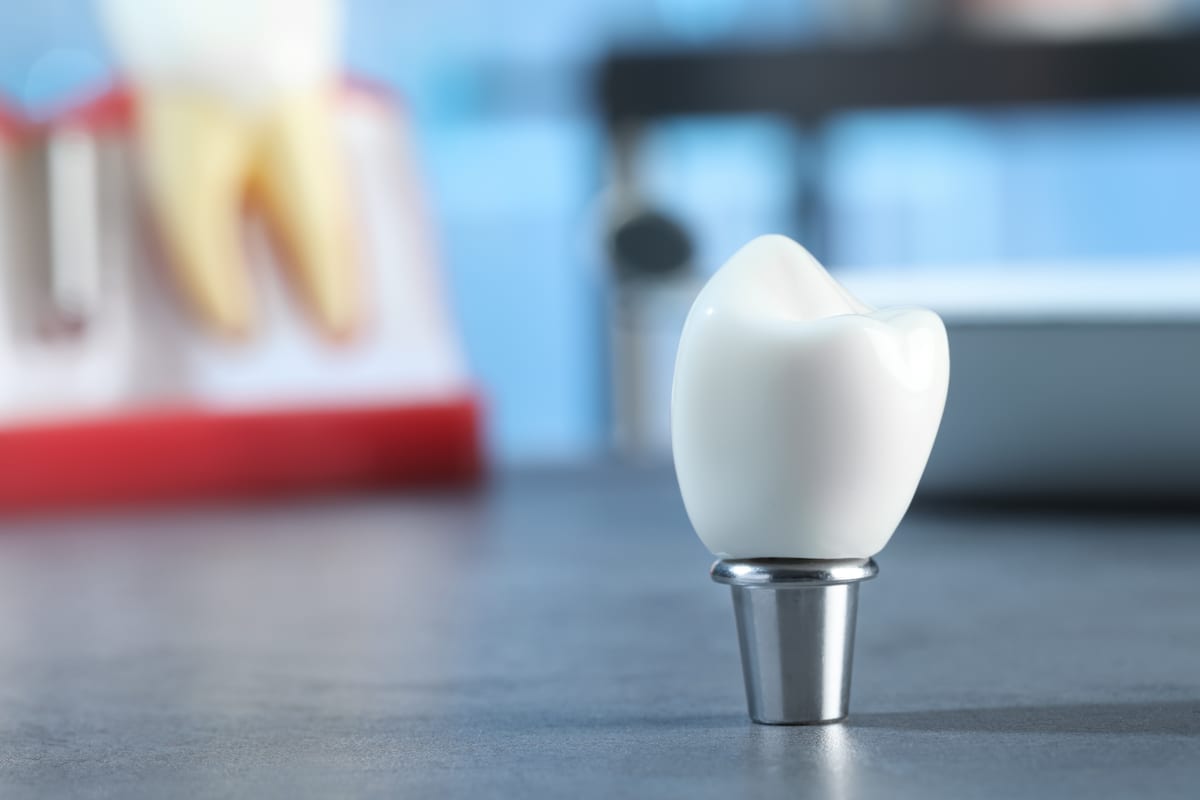
If you have missing teeth, that’s a separate conversation entirely. Replacing missing teeth often involves solutions like Dental Implants Scottsdale, which restore both function and appearance from the root up.
Are You a Good Candidate for Veneers?
Not every patient is an ideal candidate for veneers. Dr. Douglas conducts a thorough evaluation before recommending any cosmetic treatment. Good candidates generally share a few key characteristics.
First, your teeth and gums should be in good overall health. Any active dental issues need to be resolved before veneers are considered. Second, you should have enough natural enamel for the veneer to bond to securely. People who grind their teeth heavily may not be suitable candidates without addressing that habit first.
Age also plays a role. Veneers are typically recommended for adults whose teeth have fully developed. Younger teens may need to wait until their smile has finished growing. Dr. Douglas will give you a clear answer during your consultation.
It’s also worth knowing that veneers are a permanent commitment. Because enamel is removed during preparation, the tooth will always need to be covered by a veneer or crown going forward. That’s why it’s so important to go in with realistic expectations and full information.
What to Expect During Your Veneer Consultation at Douglas Family Dentistry
Your journey starts with a one-on-one conversation with Dr. Douglas. He’ll review your dental history and examine your teeth, gums, and bite. X-rays may be taken to check what’s happening below the surface.
From there, Dr. Douglas will walk you through your options honestly. If veneers are the right fit, he’ll explain the process step by step. If another treatment would serve you better, he’ll tell you that too. The goal is always to match the treatment to your actual needs.
You’ll also have the chance to discuss your smile goals. Whether you want a subtle refresh or a dramatic transformation, the plan is customized to you. Many patients in Scottsdale appreciate this personalized approach before committing to any procedure.
Frequently Asked Questions
How long do dental veneers last?
Porcelain veneers typically last 10 to 15 years with proper care. Composite veneers may need replacement sooner, often around 5 to 7 years. Good oral hygiene and regular checkups at Douglas Family Dentistry help extend their lifespan.
Do veneers look natural on your teeth?
Yes, when crafted well, porcelain veneers closely mimic the look of natural tooth enamel. Dr. Douglas works with dental labs to match the color, shape, and translucency to your surrounding teeth. Most people won’t be able to tell you have veneers at all.
Is the veneer process painful?
Most patients experience little to no discomfort during the veneer procedure. Local anesthesia is used during enamel preparation to keep you comfortable. Some mild sensitivity is normal in the days following placement but typically fades quickly.
Can veneers be whitened if they stain?
Porcelain veneers are highly resistant to staining, but they cannot be whitened with traditional whitening treatments. If your veneers discolor over time, replacement is usually the solution. That’s why Dr. Douglas recommends whitening your natural teeth before getting veneers placed, so the color matches well from the start.
What happens if a veneer chips or falls off?
Veneers can occasionally chip or debond, especially with hard foods or teeth grinding. If this happens, contact Douglas Family Dentistry as soon as possible. In many cases, the veneer can be reattached or replaced without significant difficulty.
If you’re ready to find out whether veneers are right for your smile, Dr. Paul D. Douglas and the team at Douglas Family Dentistry in Scottsdale are here to help. Book Now to schedule your appointment with our team.