
By Douglas Family Dentistry
Finishing your Invisalign treatment is a huge milestone. Your smile looks straighter, your confidence is up, and you feel great. But here is something many patients in Paradise Valley don’t expect: your Invisalign journey isn’t over yet. Retainers are non-negotiable — and understanding why can protect everything you just worked so hard to achieve.
At Douglas Family Dentistry, Dr. Paul D. Douglas helps patients navigate life after Invisalign every day. This guide explains what happens when treatment ends, why teeth shift back, and what you need to do to keep your results for the long term.
What Happens to Your Teeth After Invisalign in Paradise Valley
When your final Invisalign aligner comes out, your teeth are in a new position. But your bone and soft tissue haven’t fully adapted yet. This adjustment period is called the retention phase — and it is critical.
Your teeth naturally want to return to where they came from. This movement is called relapse. Without a retainer, teeth can shift noticeably within just a few weeks. Some patients see changes in as little as a few days.
The ligaments holding your teeth in place have memory. They pull teeth back toward their original positions. A retainer holds your teeth steady while your jawbone rebuilds around the new alignment.
This isn’t a flaw in Invisalign — it’s a biological reality. Every orthodontic treatment, including braces, requires a retention phase to lock in results.
Why Retainers Are Non-Negotiable: The Science Behind Retention
Many patients underestimate how quickly teeth move after treatment. Studies show that teeth can shift within 24 to 48 hours without a retainer. Over weeks and months, that movement becomes very noticeable.
Bone remodeling takes time. Your body needs several months to solidify the bone structure around your newly positioned teeth. Until that process finishes, your smile is vulnerable to relapse.
Here is what can happen without consistent retainer wear:
- Front teeth begin crowding again
- Gaps may reopen between teeth
- Your bite can shift out of alignment
- Spacing issues can affect chewing function
- You may need additional orthodontic treatment to correct relapse
The good news is that relapse is almost entirely preventable. Consistent retainer wear is the single most effective way to protect your Invisalign investment.
Types of Retainers Available to Paradise Valley Patients
Not all retainers work the same way. Dr. Douglas will recommend the best option based on your specific case and lifestyle. Understanding your choices helps you commit to the right routine.
There are two main categories of retainers used after Invisalign treatment:
- Removable Hawley retainers — Made from wire and acrylic, these are durable and adjustable. They are easy to clean and can last for years with proper care.
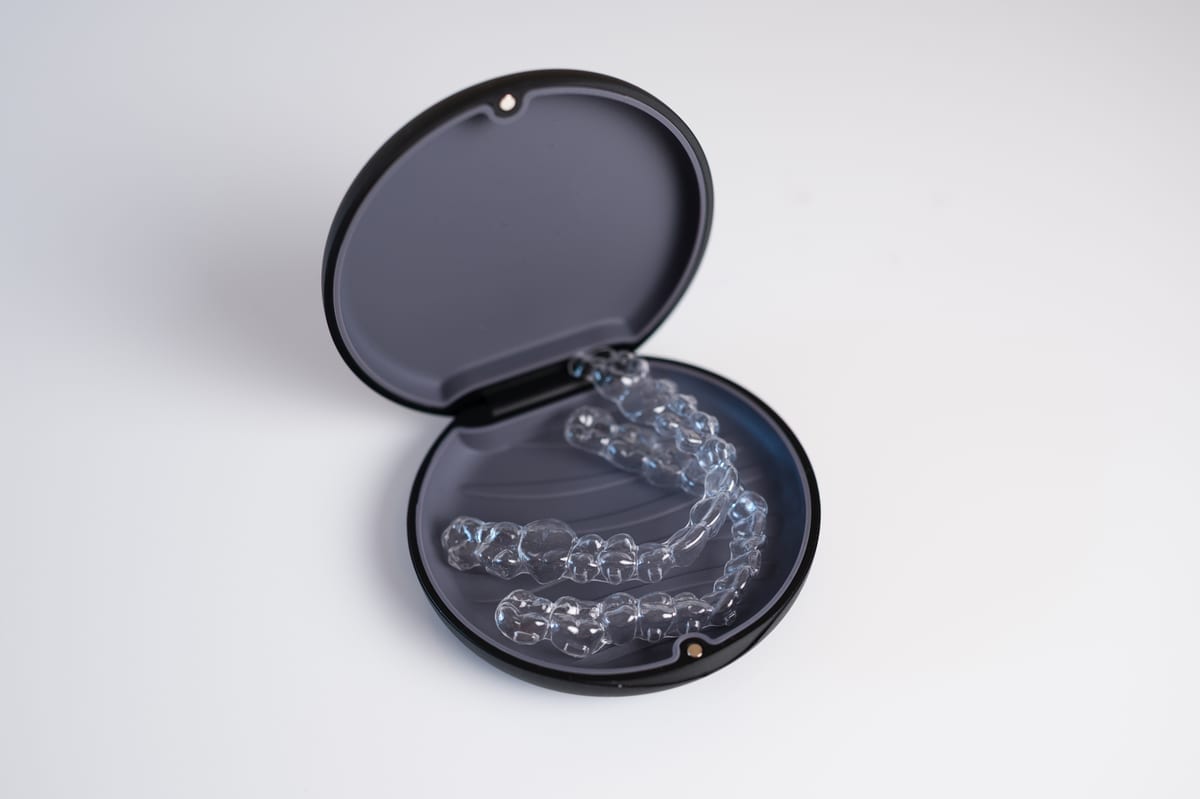
- Removable clear retainers — These look similar to Invisalign aligners. They are discreet and comfortable. Many patients prefer them because they blend in naturally.
- Fixed (bonded) retainers — A thin wire is bonded directly to the back of your front teeth. You never have to remember to put it in. It works around the clock without effort.
Some patients use a combination of fixed and removable retainers. Your treatment history and bite characteristics will guide that decision. Dr. Douglas will walk you through every option during your post-treatment visit.
How Long Do You Wear a Retainer After Invisalign?
This is the question every patient asks. The honest answer is: it varies. But most dental professionals agree on a general timeline that helps set realistic expectations.
During the first few months after treatment, most patients wear their retainer full time. That typically means 20 to 22 hours per day. This mirrors the wear schedule from Invisalign itself.
After about six to twelve months, many patients transition to nighttime-only wear. Your teeth have stabilized enough that daytime wear is no longer necessary. But nighttime wear typically continues long term.
Many dentists, including Dr. Douglas, recommend wearing retainers indefinitely — at least a few nights per week. Teeth never fully stop wanting to move. Consistent, long-term retainer wear is the only way to maintain lifetime results.
Think of it this way: you wore Invisalign for months to move your teeth. A few minutes each night to protect that result is a small trade-off for a lasting smile.
Caring for Your Retainer the Right Way
A retainer only works when it is clean and fits properly. Poor maintenance can lead to bacteria buildup, bad breath, and warping. Simple habits go a long way.
- Rinse your retainer with cool water every time you remove it
- Clean it gently with a soft toothbrush and mild soap — not toothpaste
- Avoid hot water, which can warp plastic retainers
- Store it in its case when not in use to prevent loss or damage
- Bring it to your dental checkups so Dr. Douglas can check the fit
- Replace it if it cracks, warps, or no longer fits snugly
Clear retainers typically last one to three years with proper care. Hawley retainers can last longer. Fixed retainers should be checked at regular cleanings to make sure the wire stays bonded securely.
If your retainer no longer fits, do not force it. Contact Douglas Family Dentistry right away. A poor-fitting retainer can actually push teeth in the wrong direction.
What to Do If You’ve Already Stopped Wearing Your Retainer
Life gets busy. Many Paradise Valley patients admit they stopped wearing their retainer months or even years ago. If that sounds familiar, you are not alone — and it is not too late to take action.
Do not try to force an old retainer back in. If your teeth have shifted, the retainer may no longer fit correctly. Forcing it can damage your teeth or gum tissue.
Schedule a visit with Dr. Douglas to assess how much movement has occurred. Depending on the degree of relapse, options may include a new set of retainers, refinement aligners, or a short Invisalign touch-up course. Minor shifts are often correctable without starting over completely.
The earlier you address the issue, the simpler the solution tends to be. Waiting longer usually means more movement and more complex correction. Addressing it now protects both your smile and your schedule.
It is also worth noting that unresolved alignment issues can sometimes contribute to other dental concerns over time. Issues like uneven bite pressure may eventually affect tooth integrity, which in some cases can lead to the need for treatments like Root Canal Treatment or even Dental Implants if teeth are damaged. Protecting your alignment is about more than aesthetics — it supports your overall oral health.
Conclusion: Protect Your Smile for the Long Term
Your Invisalign journey isn’t over when the last aligner comes out. The retention phase is just as important as the treatment itself. Wearing your retainer consistently is the most reliable way to keep your smile looking exactly the way you worked so hard to achieve it.
Dr. Paul D. Douglas and the team at Douglas Family Dentistry are here to support every stage of your orthodontic journey — including life after Invisalign. Whether you need a new retainer, a checkup on your current one, or guidance after a gap in wear, we are ready to help. Book Now to schedule your appointment with our team.
Frequently Asked Questions
How soon do I need to start wearing a retainer after finishing Invisalign?
You should start wearing your retainer immediately after your final Invisalign aligner. Dr. Douglas will typically provide your retainer at your last Invisalign appointment or very shortly after. Delaying even a few days can allow early shifting to begin.
Can I wear my last Invisalign aligner as a retainer?
Your last Invisalign aligner is not designed for long-term retainer use. It will wear out quickly and may not hold your teeth as effectively as a purpose-built retainer. Dr. Douglas will recommend a proper retainer suited to your needs.
What happens if my retainer breaks or gets lost?
Contact Douglas Family Dentistry as soon as possible. Do not go without your retainer for long periods. The sooner we replace it, the less shifting occurs. We can create a new one from your existing records in most cases.
Is retainer wear after Invisalign the same as after braces?
The biology is essentially the same. Whether you used Invisalign or traditional braces, your teeth need a retention phase to stabilize. The type of retainer may differ, but the commitment to wearing it consistently is equally important in both cases.
How often should I visit the dentist to check my retainer fit?
Dr. Douglas recommends bringing your retainer to every routine checkup, typically every six months. A quick check ensures the retainer still fits properly and is doing its job. Regular visits also allow the team to catch any minor shifting before it becomes a bigger issue.